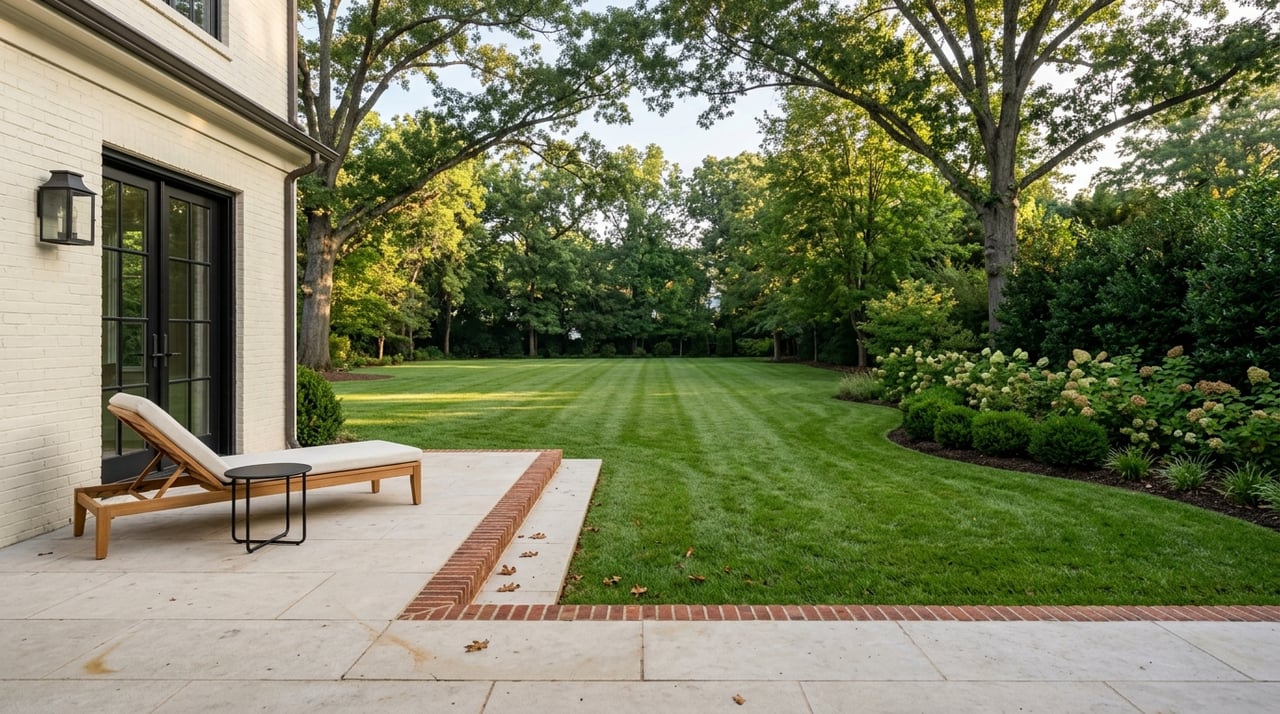
A large-lot home in Town and Country can offer space, privacy, and room to breathe, but it also comes with responsibilities that are easy to underestimate. If you are drawn to estate-style living, you need more than square footage and curb appeal to make a smart decision. You also need to understand how lot rules, upkeep, permits, drainage, and long-term maintenance can shape daily life. Let’s dive in.
Why large-lot living feels different
Town and Country is built around a spacious residential pattern, and that matters when you are buying here. The city’s planning documents describe a suburban setting centered on a one-acre minimum residential lot size, with long-standing support for single-family homes on minimum one-acre lots.
That framework helps explain why so many properties feel expansive and private. It also means lot size is part of the community’s character, not just a bonus feature on a listing sheet.
Lot size is only part of the story
When you look at a large property, it is easy to assume all of that land is equally usable. In Town and Country, that is not always the case. Greenspace rules, drainage features, and topography can all affect what you can actually build, improve, or enjoy day to day.
The city’s greenspace guide notes that Estate lots generally require 75% greenspace. Suburban Estate lots also require 75% greenspace at one acre or more, with different standards for smaller lots and limits on impervious area.
Some site features may count toward greenspace calculations, including certain pools, water surfaces, ravines, and drainageways. Even so, a feature that counts on paper may still limit usable yard area in real life.
What this means for buyers
Before you fall in love with a big backyard, take a closer look at the survey and site conditions. A ravine, drainageway, or buffer area may affect where you can place an addition, pool, patio, or other outdoor feature.
This is one reason large-lot buying in Town and Country benefits from a careful, property-specific review. Two homes with similar acreage can offer very different options for future use.
Upkeep is a bigger commitment than many buyers expect
Owning more land usually means more maintenance. In Town and Country, that includes both routine property care and compliance with city rules.
The city’s code enforcement standards say residential lots may not allow weeds or grass over 8 inches. That may sound simple, but on a large lot, staying ahead of mowing and seasonal cleanup can take planning and a reliable service schedule.
Drainage is another key part of ownership. The city addresses issues such as directing water onto neighboring property, and ravines must be kept clear of leaves and grass clippings.
Seasonal care matters in St. Louis
The St. Louis region has a growing season of about 200 days, along with hot summers, a wet spring, and average seasonal snowfall of 16.6 inches. Spring is the wettest season, and summer thunderstorms can bring flash flooding.
For a large-lot homeowner, that usually means budgeting for more than lawn mowing. Gutter cleaning, drainage cleanup, irrigation oversight, tree care, and storm-related yard work can all become recurring line items.
Outdoor features still need to follow city rules
Large lots often invite plans for fencing, pools, and outdoor living spaces. In Town and Country, those features need to fit local requirements.
All fences require a city permit. Side and rear fences are generally limited to 30% open area, while front-yard fencing is much more restricted and allowed only in limited cases, including some estate settings with 50% open fencing no taller than four feet.
Private pools must also be enclosed by a compliant fence. If you are buying a home with an existing pool or hope to add one later, it is worth confirming that the site and layout can support those requirements.
Permits are part of the ownership plan
One of the biggest surprises for large-lot buyers is how many projects can trigger permits. In Town and Country, a building permit is required for a wide range of work, including:
- New structures
- Additions and renovations
- Basement finishes
- Fireplaces
- HVAC work
- Roof replacements
- Retaining walls
- Porches and decks
- Swimming pools
- Solar systems
- Structures that require piers, footings, framing, beams, or a roof
For exterior work, the city also expects contact with subdivision trustees when plans affect a home’s exterior. If a project adds impervious area, runoff and greenspace calculations may be required as well.
Why this matters before you buy
If you are considering a remodel or outdoor upgrade, do not wait until after closing to ask questions. A lot that seems perfect for expansion may come with review steps or site constraints that change your timeline, budget, or scope.
This is especially important if you are comparing move-in-ready homes with properties you hope to customize over time. Your buying strategy should match your renovation goals from the start.
Tree protection is a serious consideration
Mature trees are part of what gives Town and Country its estate feel. They also come with rules that can affect future projects.
For new infill house construction or projects that increase impervious area by 50% or more, the city requires a Tree Protection Plan during the permit process. That plan must identify trees to remain or be removed, show critical root zones and protection areas, and be certified by a Missouri licensed landscape architect or ISA-certified arborist.
The city also requires tree preservation and restoration measures when development affects mature trees. If your vision for a property includes clearing land, reworking the driveway, or expanding the footprint, tree-related requirements should be part of your early due diligence.
Stormwater systems can add long-term obligations
Some large-lot properties include stormwater best management practices, often called BMPs. If they are present, ownership can include ongoing maintenance responsibilities.
According to MSD, post-construction BMPs are required in certain new development and redevelopment projects designed after 2006. Owners must maintain them in perpetuity, and annual maintenance reports are due by March 31 each year.
That is not something every buyer expects to inherit. If a property has one of these systems, it is worth understanding how it works, what maintenance it needs, and what records should transfer before closing.
Budget beyond the mortgage payment
Large-lot ownership usually comes with a broader operating budget than buyers first imagine. In Town and Country, utility and infrastructure details are especially important.
The city directs water customers to Missouri American Water and sewer customers to the Metropolitan St. Louis Sewer District. It also notes that the sewer lateral from the property to the MSD main is privately owned, which means maintenance and repair are the homeowner’s responsibility.
The city offers an optional sewer or septic line warranty program for $8.25 per month or $99 per year, with up to $8,500 of coverage per incident. Whether or not that fits your plan, it is a reminder that underground systems deserve attention in your ownership budget.
Other costs to plan for
On a large lot, reserve planning often includes:
- Irrigation use and repairs
- Drainage improvements and cleanup
- Tree trimming or arborist work
- Gutter and storm cleanup
- Lawn care and seasonal landscape services
- Private sewer lateral maintenance
The city also notes that lawns generally need about an inch of water per week in summer. On a larger property, that can have a real impact on seasonal utility costs.
Road maintenance can vary by street
Not every street in Town and Country is maintained the same way. The city maintains about 100 lane miles of residential and collector roads, but only about 60% of residential streets are city-maintained.
The remaining 40% are maintained by subdivision trustees or adjacent owners. The city can provide snow removal on those streets upon request at no direct charge, but buyers should still confirm who handles plowing, potholes, and road repairs.
This is a small detail that can have a big effect on your expectations as an owner. It is worth asking before you write an offer, especially if private street maintenance is new to you.
A smart due-diligence approach for buyers
Buying a large-lot home in Town and Country is often less about whether the home is beautiful and more about whether the property truly fits how you want to live. The best process is calm, detailed, and practical.
A strong pre-offer review often includes questions like these:
- Does the survey show ravines, drainageways, floodplain, or required buffers?
- Do any of those features limit future improvements or outdoor use?
- Are there stream buffer rules or septic-related restrictions to understand?
- Could future remodeling trigger tree-protection, replanting, or escrow obligations?
- Is the street city-, county-, or trustee-maintained?
- Which planned exterior projects would require permits or trustee review?
- Does the property include stormwater BMPs or a private sewer lateral that should be evaluated?
This kind of review can help you avoid buying based on assumptions. It also gives you a clearer picture of the true cost and flexibility of the property.
If you are considering a large-lot home in Town and Country, the right guidance can make the process feel much simpler. Meggin Martin brings a calm, local, process-driven approach and can help you evaluate the details that matter before you move forward.
FAQs
What should buyers know about large lots in Town and Country?
- Large lots in Town and Country can include greenspace requirements, drainage features, and site constraints that affect how much of the land is truly usable.
What maintenance rules apply to residential lots in Town and Country?
- Town and Country says residential lots may not allow weeds or grass over 8 inches, and owners must also manage drainage issues and keep ravines clear of leaves and grass clippings.
What projects need permits for a Town and Country home?
- The city requires permits for many projects, including additions, renovations, roof replacements, decks, porches, retaining walls, pools, HVAC work, solar systems, and other structural improvements.
What tree rules matter for Town and Country properties?
- Certain projects, including new infill construction or major increases in impervious area, can require a Tree Protection Plan and tree-preservation measures during the permit process.
Who maintains roads for Town and Country homes?
- About 60% of residential streets are city-maintained, while the rest are maintained by subdivision trustees or adjacent owners, so buyers should confirm road and snow responsibilities before closing.
What utility and infrastructure costs should Town and Country buyers plan for?
- Buyers should account for water use, irrigation, drainage, tree care, gutter cleanup, and private sewer lateral maintenance, since the sewer lateral to the MSD main is the owner’s responsibility.