If you are getting ready to sell in Kirkwood or Webster Groves, it is easy to wonder where to start. These are popular, fast-moving markets, but they are also full of older, character-rich homes that often need a thoughtful plan before they hit the market. The good news is that a confident sale usually does not require a full remodel. It requires smart sequencing, strong presentation, and a clear understanding of local inspection and permit steps. Let’s dive in.
Why prep matters here
Kirkwood and Webster Groves both attract buyers who appreciate established homes and mature neighborhoods. Recent market data show Kirkwood with 123 homes for sale, a median days on market of 28, and a median home sale price of $499.9K, while Webster Groves had 52 homes for sale, a median days on market of 45, and a median home sale price of $359,000, according to local Realtor.com market data.
That pace means your home does not need to be perfect, but it does need to feel cared for, clean, and ready. In communities known for older housing stock and preserved architectural character, visible condition and presentation often matter more than over-improving.
Protect the home’s character
Kirkwood has 85 designated landmarks and nine local historic districts, and Webster Groves includes homes dating from the mid-1800s to today, with historic-district guidance through its preservation process. That local context matters when you prepare to sell.
In many Webster-Kirkwood homes, the strongest strategy is to preserve what already works, repair what looks worn, and avoid changes that strip away original charm. Buyers are often drawn to details like millwork, brick, fireplaces, hardwood floors, and traditional layouts when those features are well maintained and visually balanced.
Start with inspections and compliance
Before you book a stager or photographer, check the city requirements tied to occupancy and sale. This is one of the most important steps in Kirkwood and Webster Groves because local processes can affect your timeline.
In Kirkwood, all changes in occupancy require a permit and inspection, and the occupancy certificate is issued only after the property passes. The city notes that this inspection is a visible property-maintenance review, not a full hidden-condition inspection, so some issues may still need separate evaluation and licensed repair work.
In Webster Groves, the city also requires inspections at sale or change in occupancy. The inspection typically takes 60 to 90 minutes, costs $75, may require a $50 reinspection if needed, and leads to a Certificate of Compliance that is valid for up to three months. An occupancy permit is required before move-in.
This is why the first calls should usually be to your agent, the city or inspector as needed, and any licensed contractor involved in repairs. Cosmetic updates are valuable, but they come after you understand whether code items or permit-triggering work need attention first.
Watch for common exterior issues
Exterior details can slow down a sale if they are overlooked. Both cities call out visible maintenance issues that sellers sometimes leave until the last minute.
Kirkwood code enforcement highlights concerns such as overgrown bushes or trees, dead limbs, damaged driveways, deteriorating fences, weeds over 8 inches, and debris on private property. Webster Groves lists common exterior violations including dead trees, derelict vehicles, overgrown yards, debris, and peeling paint.
If you want a practical place to begin, walk the property like a buyer would. Stand at the curb, approach the front door, and circle the house. You are looking for anything that reads as deferred maintenance, even if it seems minor day to day.
Handle permit items early
Older homes often need small projects before listing, but even simple work can trigger permit rules. That is especially true for exterior changes.
Webster Groves states that permits are issued only to contractors registered with the city, except in limited homeowner situations, and it requires building permits before certain interior or exterior alterations. Kirkwood also requires contractors to be licensed with the city and uses a public portal to submit and track permits and inspections through its Building Division process.
Fences are a common example. Kirkwood requires permits for new or rebuilt fences, and Webster requires fence permits for all new and replacement fences, with added review in historic districts. If a project might affect compliance, timing, or curb appeal, check the rules before work begins.
Prioritize presentation over major remodeling
Once repair and compliance items are clear, shift your focus to presentation. National staging data strongly support this step.
According to the 2025 NAR home staging snapshot, 83% of buyers’ agents said staging made it easier for buyers to visualize a property as a future home. NAR also reports that 49% said staging reduced time on market, and 29% said it increased the dollar value offered by 1% to 10% in some cases.
That does not mean you need to spend heavily in every room. In most Webster-Kirkwood homes, the better return comes from decluttering, deep cleaning, softening cosmetic distractions, and making the main living areas feel bright and cohesive.
Stage the rooms buyers notice most
Not every space needs equal effort. NAR found that buyers respond most to the living room, primary bedroom, and kitchen, and sellers most often stage the living room, primary bedroom, dining room, and kitchen, according to NAR’s staging report.
For your sale prep, start with these spaces:
- Living room: Remove excess furniture, open sightlines, and keep styling simple.
- Primary bedroom: Use neutral bedding, clear surfaces, and create a calm feel.
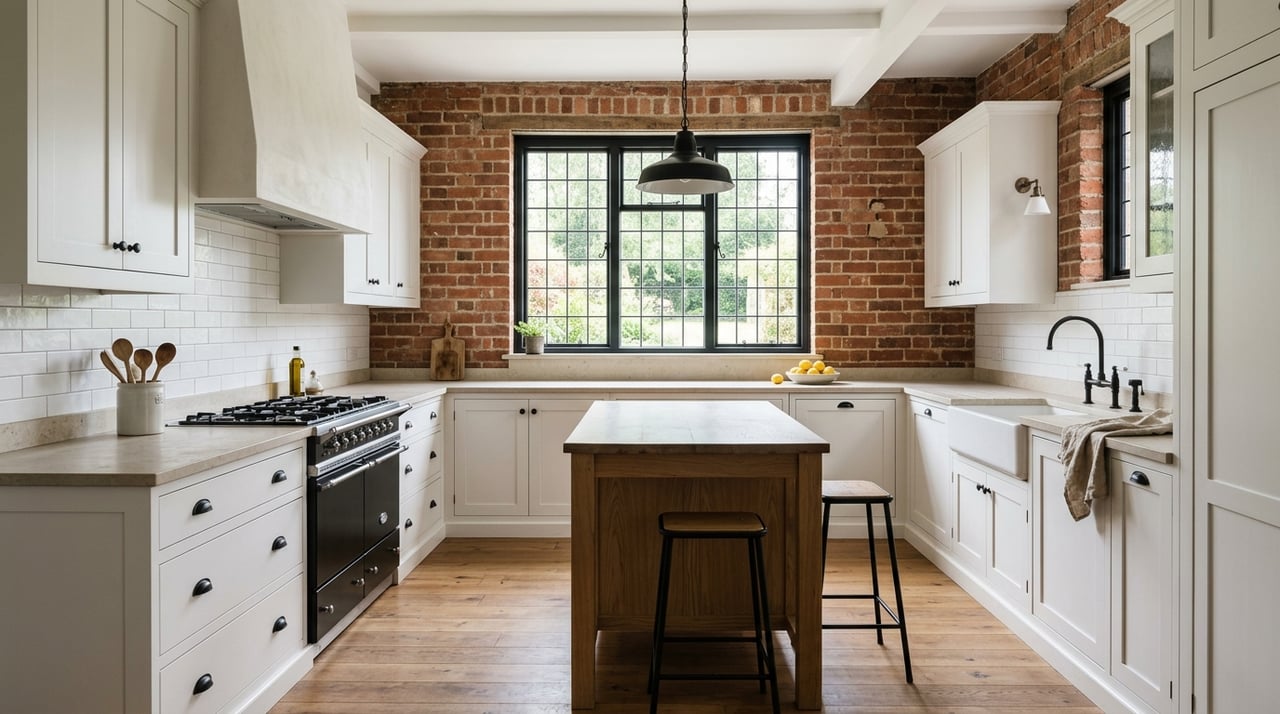
- Kitchen: Minimize countertop items, brighten lighting, and make finishes feel clean.
- Dining area: Help buyers understand the room’s function with scaled furniture and clean lines.
This approach supports the way buyers shop online and in person. It also helps your home photograph better, which matters more than ever.
Focus on the basics buyers feel
When sellers ask what makes the biggest difference, the answer is usually not dramatic. It is the basics done well.
NAR reports that sellers are most often advised to declutter, clean the entire home, and improve curb appeal. Those recommendations are especially relevant in Kirkwood and Webster Groves, where architectural charm can shine once distractions are removed.
Use this shortlist as your baseline:
- Declutter every room, closet, and visible storage area
- Deep clean floors, windows, trim, baths, and kitchen surfaces
- Replace burned-out bulbs and brighten dim spaces
- Touch up paint where wear is visible
- Update small details like loose hardware or tired caulk
- Refresh the front entry, porch, and landscaping
If your home has original features in good condition, let them lead. Clean, repair, and highlight them rather than covering them up.
Plan for weather and timing
Timing matters more than many sellers expect. In St. Louis, weather can affect exterior work and final launch dates.
The National Weather Service regional climate summary says spring is the wettest season, the average last freeze in St. Louis is April 2, and severe thunderstorms are most likely in spring. Summer brings heat and humidity. That means landscaping, exterior painting, power washing, and similar curb-appeal tasks should include extra scheduling room.
A realistic planning benchmark for many homes in this area is two to six weeks for cosmetic prep and staging, with more time needed if inspection items or permit-based repairs appear. The earlier you build your prep plan, the more options you usually have.
Follow a practical prep sequence
A calm sale often comes down to doing the right things in the right order. For many Webster-Kirkwood homes, this sequence works well:
- Confirm occupancy and code requirements
- Identify repairs that may affect inspection or permits
- Complete contractor work with city requirements in mind
- Declutter and deep clean the home
- Tackle paint touch-ups, lighting, and simple hardware updates
- Improve yard, walkway, driveway, and front-door presentation
- Stage the living room, primary bedroom, dining area, and kitchen
- Schedule photography, video, or virtual tour assets
- Launch with polished marketing and clear pricing strategy
This kind of process helps you avoid spending money in the wrong place. It also gives you a cleaner path from prep to list date.
Use the right support system
Selling a home in Webster or Kirkwood can involve more moving parts than sellers expect, especially with older properties. You may need inspection coordination, permit awareness, contractor scheduling, staging decisions, and a marketing plan that respects the home’s style while attracting current buyers.
That is where a process-driven approach makes a real difference. With calm guidance, a vetted vendor network, and tools like Compass Concierge for eligible pre-sale improvements, you can make smart decisions without feeling rushed or overwhelmed.
If you are preparing your Webster-Kirkwood home for sale and want a thoughtful plan that fits your property, your timeline, and your goals, Meggin Martin can help you map out the next steps with clarity and confidence.
FAQs
What should you fix before selling a home in Kirkwood or Webster Groves?
- Focus first on visible maintenance, occupancy-related inspection items, and any repairs that may require permits or licensed contractors. After that, prioritize cleaning, decluttering, paint touch-ups, and curb appeal.
How long does it take to prepare a Webster-Kirkwood home for sale?
- Many homes need about two to six weeks for cosmetic preparation and staging, but the timeline can stretch if inspection issues or permit-related repairs are discovered.
Do you need an occupancy inspection to sell a home in Kirkwood?
- Yes. Kirkwood says all changes in occupancy require a permit and inspection, and an occupancy certificate is issued only after the property passes.
Does Webster Groves require a compliance inspection before move-in?
- Yes. Webster Groves inspects homes at sale or change in occupancy, issues a Certificate of Compliance when the home passes, and requires an occupancy permit before moving in.
Which rooms matter most when staging a home for sale?
- National staging data show that buyers respond most to the living room, primary bedroom, and kitchen, with the dining area also commonly staged.
Should you remodel before listing a character home in Webster or Kirkwood?
- In many cases, a refresh-and-repair approach is the safer path. Preserving original character, fixing visible wear, and presenting the home as clean and well cared for often makes more sense than broad remodeling.