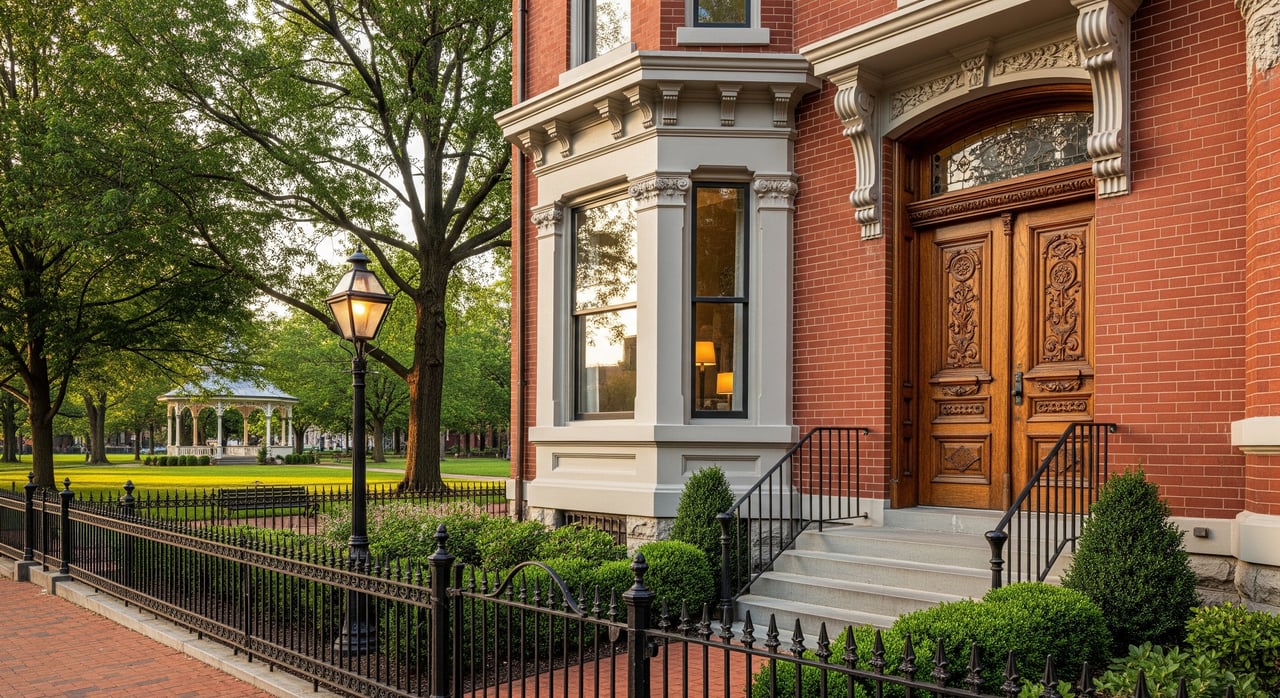
Imagine starting your day with a quiet stroll beneath mature trees, a cup of coffee in hand, and historic brick townhomes framing the path. That is the daily rhythm in Lafayette Square, where life centers on a beloved park and streets lined with restored architecture. If you want urban convenience with a strong sense of place, this neighborhood offers a compelling blend. In this guide, you will learn what day-to-day living feels like, how housing and preservation work, and what to consider as a buyer or seller. Let’s dive in.
Why Lafayette Square stands out
Historic park at the heart
Lafayette Square is organized around Lafayette Park, widely noted by city and state sources as one of the oldest municipal parks west of the Mississippi River. The park is the neighborhood’s backyard, with lawns, walking paths, playground areas, and frequent community gatherings. You will see neighbors walking dogs, kids riding bikes, and weekend picnics under large shade trees.
Living near the park shapes your daily routine. It is easy to step outside for a morning run or unwind with an evening loop after work. If you crave an outdoors anchor without leaving the city, this central green space is a major draw.
Architecture you can live in
You will find Victorian-era rowhouses, Italianate and Second Empire facades, and brick townhomes that make every block feel distinctive. Many interiors feature tall ceilings, fireplaces, hardwood floors, and decorative trim. Homes often sit on smaller urban lots, with stoops or porches that encourage conversation.
The architecture is not just pretty to look at. It also supports a social street life, where people exchange greetings on evening walks and gather for neighborhood events. If you value character and craftsmanship, this is a place where history feels practical and livable.
Day-to-day lifestyle
Morning to evening rhythm
On a typical weekday, you might start with a loop around the park, then walk to a local café for coffee. Errands are close at hand, so you can pick up essentials on foot or by bike. After work, many residents meet friends at neighborhood spots or head to nearby districts for dinner.
Weekends often revolve around park time, home projects, and neighborhood events. When you want more nightlife or a broader dining scene, nearby Downtown, Soulard, Midtown, and McKinley Heights are a short ride away. You get a quiet residential feel without giving up city energy.
Dining and local errands
Lafayette Square supports a mix of independent restaurants, cafés, neighborhood bars, and boutique services. The small-business scene makes it easy to keep your routines close to home. Grocery options evolve, so you will want to verify the latest stores and hours when you are house hunting.
Because the area is compact and well-connected, you can combine errands with a park walk or stop for lunch along the way. That convenience adds up to a lifestyle where your car is optional for many daily needs.
Community events and traditions
Active neighborhood groups and restoration volunteers regularly organize gatherings. Expect seasonal celebrations, park programs, home tours, historical walks, and clean-up days. Names and dates can change, so it is smart to check neighborhood association calendars for current schedules.
These events are more than a calendar filler. They help you meet neighbors, learn local history, and feel rooted quickly. If you appreciate community involvement, you will find plenty of entry points here.
Walkability, transit, and driving
The neighborhood is known for strong walkability, especially around the park and business nodes. You can meet many daily needs on foot or by bike. For commuting, central-city transit and ride-share options are typically available, and driving access to Downtown and nearby employment centers is straightforward. If you plan to rely on public transit, review current route maps and schedules to confirm your options.
Parking is a mix of street spaces and limited off-street spots. Some homes offer private parking, but not all. Always check where you will park, how guests will visit, and whether permits or restrictions apply on your block.
Housing and preservation
Home types and features
Most properties are historic brick rowhouses and townhomes, with some larger homes converted to multifamily or restored as single-family residences. Many interiors retain period details, while updates vary by owner and year. If original millwork and tall windows are on your wish list, Lafayette Square delivers.
Lot sizes tend to be smaller than suburban homes. You will often trade a large backyard for park access, architectural character, and proximity to city amenities. If you want a low-maintenance outdoor space that still supports container gardening or a small patio, these homes can be a great fit.
Historic review rules
Lafayette Square is within a designated historic district. Exterior changes, additions, and demolition typically require review by local preservation authorities or a neighborhood restoration committee. These rules protect the neighborhood’s architectural character and can support resale value over time.
The review process can affect project timelines and budgets. You may need specific materials or methods for exterior work. Before you buy, understand what is allowed, how approvals work, and how to plan for permits. Sellers benefit by documenting compliant improvements and sharing permits and plans during listing.
Renovation and maintenance
Older homes need attentive care. Expect to budget for roofing, masonry repointing, foundations, historic windows, and mechanical systems. Even beautifully restored houses can require periodic updates to electrical, plumbing, and HVAC.
Energy efficiency varies in historic construction. Many owners invest in insulation, air sealing, and thoughtful window work to balance comfort and preservation. A strong inspection and a realistic maintenance plan will help you enjoy the home’s character with fewer surprises.
Practical considerations
Schools and family needs
School options include St. Louis Public Schools along with nearby charter and private choices. Boundaries and availability can change, so review assignments early in your search and contact schools directly for the most accurate information.
Families often prioritize walkable routes to playgrounds, park time, and access to after-school activities. Plan your routes and routines ahead of time to see how the neighborhood supports your daily schedules.
Safety and awareness
As with many city neighborhoods, experiences can vary by block. You can get up-to-date context by reviewing official crime maps and speaking with neighbors or association leaders. Visiting at different times of day gives you a feel for activity levels and lighting near your potential home.
Community presence is strong, which many residents value. Staying informed and engaged helps you make confident decisions that fit your comfort level.
Parking and vehicles
Street parking is common, and off-street spaces are at a premium for some homes. When touring, look for the home’s parking setup, typical street availability, guest options, and any posted rules. If you own multiple vehicles or entertain often, make parking a priority in your search.
For commuters who drive, review typical routes to your workplace and test your timing. If you plan to bike, map the safest paths to work, shops, and schools.
Resale and outlook
Historic neighborhoods anchored by a well-loved park tend to sustain long-term appeal. Resale is influenced by renovation quality, preservation compliance, and proximity to employment centers. Since market conditions change, consult current MLS data for pricing and inventory before you buy or list.
Buyer and seller checklists
Buyer checklist
- Walk the block at different times, including evenings and weekends.
- Verify historic-district rules for exterior changes and timelines for approvals.
- Budget for inspections and potential system updates, even in restored homes.
- Confirm parking arrangements for you and guests, plus any permits.
- Review school options early and map your daily routes to parks and activities.
- Ask for documentation of past work, including permits and contractor details.
Seller checklist
- Highlight historic features with thoughtful staging and lighting.
- Gather permits, plans, and warranties for any exterior or system work.
- Address masonry, roof, and systems maintenance that could slow a sale.
- Clarify parking details in your listing and during showings.
- Prepare a property information packet that outlines improvements and compliance.
- Consider strategic pre-sale updates to maximize presentation and value.
Is Lafayette Square a fit?
Choose Lafayette Square if you want a neighborhood where you can walk to the park, chat with neighbors on your stoop, and live in a home with authentic character. You will trade large lots for a central green space and a strong social rhythm. If you are comfortable with preservation rules and the upkeep that older homes require, the payoff is a lifestyle rooted in history and community.
If you are exploring a move, you do not need to do it alone. Meggin Martin brings a calm, process-driven approach, local expertise in Lafayette Square, and a vetted vendor network to help you buy or sell with confidence. Let’s connect.
FAQs
What is Lafayette Square known for?
- The neighborhood centers on Lafayette Park and features distinctive Victorian-era architecture, with a community calendar that often includes park events and seasonal traditions.
How walkable is Lafayette Square for daily needs?
- Many daily errands can be done on foot or by bike, with local cafés, dining, and services nearby and quick access to adjacent city districts for more options.
What types of homes will I find?
- Predominantly brick rowhouses and townhomes in Italianate and Second Empire styles, plus some larger historic homes and select conversions, often with tall ceilings and period details.
How do historic-district rules affect renovations?
- Exterior changes usually require preservation review, which can add time and specific material requirements; the upside is consistent neighborhood character that supports long-term value.
What should I expect for parking?
- Street parking is common, with limited off-street options on some properties; verify available spaces, guest parking, and any permits before you commit.
Where can I find current market data for Lafayette Square?
- Ask your agent for up-to-date MLS statistics tailored to Lafayette Square, including pricing, days on market, and inventory, since figures change throughout the year.