Wondering whether your next St. Louis City home should come with original millwork and a century of stories or clean lines and a brand-new systems list? It is a common question here, because St. Louis City offers both in a way few markets do. If you are weighing historic charm against new construction, this guide will help you compare character, upkeep, efficiency, layout, and city-specific rules so you can make a confident choice. Let’s dive in.
Why This Choice Matters in St. Louis City
St. Louis City is an older housing market, and that shapes almost every home search. A Missouri city profile based on ACS 2007-2011 found that 67.2% of housing was built before 1950 and 89.37% before 1980. That older snapshot still helps explain why so much of the city feels defined by historic housing stock.
At the same time, St. Louis City is not standing still. The city says more than $250 million in public investment has been committed over the past four years, more than $1 billion in private development has been leveraged, and more than 3,700 subsidized housing units are in the 2021-2025 pipeline. So for many buyers, the real decision is not old city versus new suburb. It is historic home versus infill or redevelopment inside the city.
Census QuickFacts reports a 45.3% owner-occupied housing rate and a median owner-occupied value of $197,500 in St. Louis City in the 2020-2024 estimates. That mix of ownership, legacy housing, and redevelopment creates a market where both options can make sense depending on your goals.
Historic Homes Offer Character You Can Feel
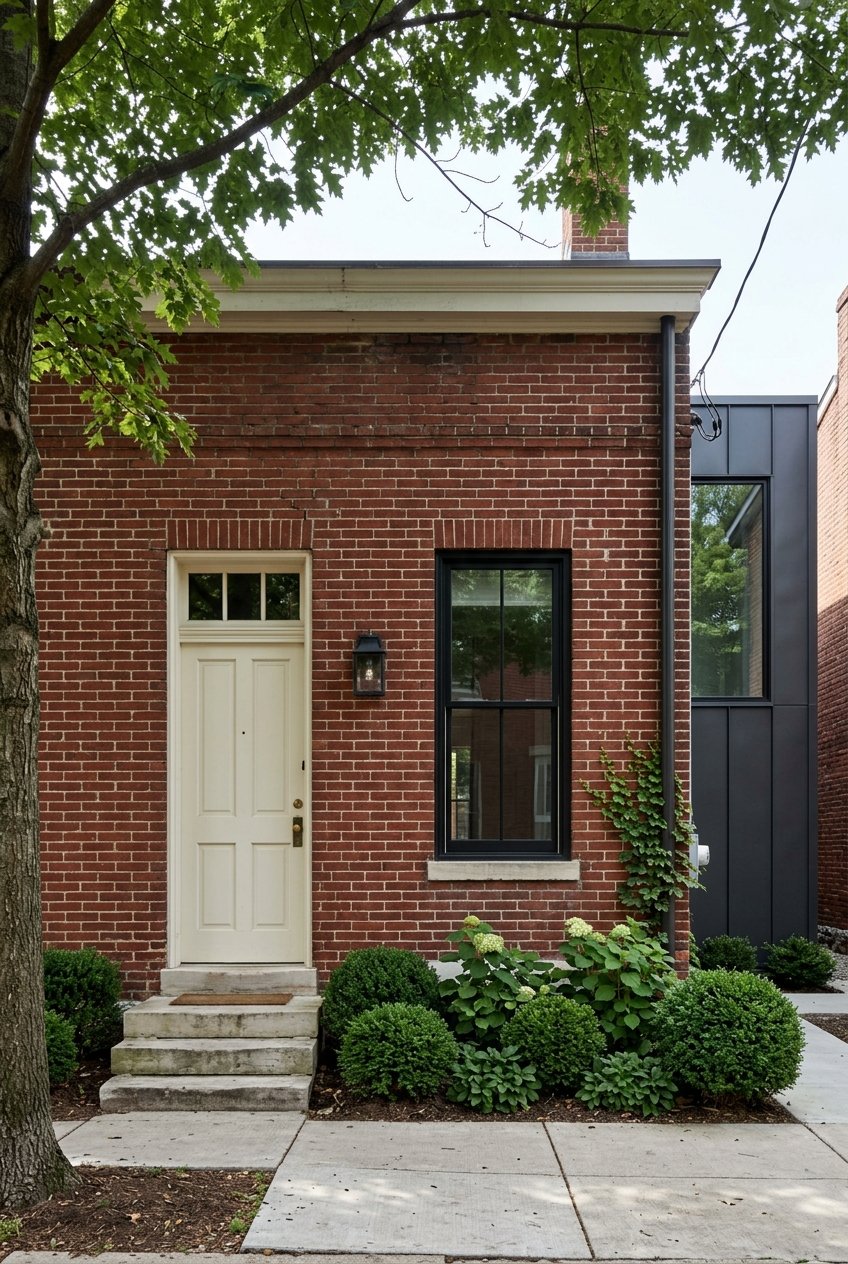
If you are drawn to architecture, craftsmanship, and a strong sense of place, historic homes usually win on charm. In St. Louis City, that can mean brick facades, period details, tall windows, decorative cornices, and a streetscape with a distinct architectural story.
Lafayette Square is one of the clearest examples. The city says most homes there were built before 1900, with some dating to before the Civil War, and notes features like Second Empire Victorian town houses, mansard roofs, bay windows, ornate cornices, and limestone or sandstone facades. For buyers who want a home that feels rooted in St. Louis, that kind of character is hard to replicate.
The Ville shows a different kind of historic appeal. The city describes it as a neighborhood with a long development period and a wide variety of architectural styles and building types. That variety can be especially appealing if you want something distinctive rather than standardized.
What Historic Charm Usually Means
Historic homes often appeal to buyers who want:
- Original architectural details
- Masonry construction and period facades
- A strong neighborhood identity
- A home with one-of-a-kind character
- Renovation opportunities that respect the home’s original fabric
Historic Homes Also Come With More Rules
The tradeoff for historic charm is that ownership can involve more review and more planning. St. Louis City has 18 local historic districts and 8 certified local historic districts. In most cases, exterior changes in those districts are reviewed by the Cultural Resources Office, and larger projects may require Preservation Board review.
That matters if you are thinking about replacing windows, changing a facade, adding an exterior feature, or planning a larger renovation. The city says each local historic district has its own rehabilitation and design standards, so expectations can vary by location. Before you buy, it helps to understand not just the house, but also the rules that may apply to it.
For the right buyer, that extra review is worth it because it helps preserve the architectural character that made the home appealing in the first place. But if you want maximum flexibility with exterior updates, this is an important factor to consider upfront.
Tax Credit Potential Can Be a Plus
Historic homes may also come with financial upside, depending on the property and the work planned. Missouri says its historic preservation tax credit is a 25% state credit for approved historic structures in St. Louis City, and the state program is available to owner-occupied homes.
Missouri also says projects that qualify for both the state and federal programs can total 45% in St. Louis and Kansas City, while the city notes the federal credit is 20% for income-producing certified historic structures. Tax credit eligibility is project-specific, so this is best viewed as a potential benefit rather than an automatic feature of every historic purchase.
Historic Homes Need More Renovation Judgment
Older homes can absolutely be improved, but the upgrade path is rarely one-size-fits-all. The National Park Service notes that older buildings require attention and maintenance, and that efficiency improvements should respect the building’s character.
That is especially important when buyers assume historic means inefficient. It does not have to. The more accurate view is that older homes can often be upgraded thoughtfully, but those decisions should be made carefully and with the house as a whole in mind.
The EPA also says there is no one-size-fits-all solution for energy upgrades in older or historic homes. It warns that adding insulation without understanding how the house functions as a system can create moisture problems. In other words, smart improvements matter more than quick fixes.
Lead-Safe Planning Matters in Older Homes
If a home was built before 1978, lead-based paint is a practical concern to keep on your radar. The EPA says homes built before 1978 are more likely to have lead-based paint, and deteriorating paint on windows, doors, stairs, railings, and porches is a hazard that needs immediate attention.
This does not mean you should avoid older homes. It means you should approach inspections, maintenance, and renovation planning with care. In St. Louis City, that kind of steady, informed planning often makes all the difference.
New Construction Offers Simplicity and Efficiency
If your priority is a more predictable ownership experience, new construction often has the edge. In general, newer homes start from a stronger baseline on efficiency and are less likely to come with the same level of deferred maintenance as an older rehab.
EPA says ENERGY STAR new homes must meet strict energy-efficiency requirements and are third-party verified. The U.S. Energy Information Administration found that newer homes used 21% less energy for space heating than older homes on average because of better building shells and more efficient heating equipment.
For buyers who want lower near-term project load, this can be a major benefit. You may still have regular maintenance, but you are less likely to begin ownership with a long punch list of age-related repairs.
New Construction in St. Louis City Looks Different
In St. Louis City, new construction is usually not a large suburban-style subdivision. More often, it is infill or redevelopment within established neighborhoods.
Project Connect focuses on St. Louis Place, Old North St. Louis, JeffVanderLou, Carr Square, Columbus Square, and Hyde Park to coordinate revitalization, infrastructure, and compatible new development around the Next NGA West area. Recent city-backed examples also include at least 10 modular houses planned on Aldine Avenue blocks in The Ville and 26 new affordable for-sale homes in Jeff-Vander-Lou.
That means if you buy new in the city, you may still get a neighborhood setting with existing streets, local history, and established urban fabric. The choice is often not charm versus location. It is original historic fabric versus newer construction in a city neighborhood.
Layout and Lifestyle Differences
Floor plan is another big part of this decision. Many historic St. Louis City homes were designed for a different era, so room flow can feel more formal or segmented than what buyers expect today.
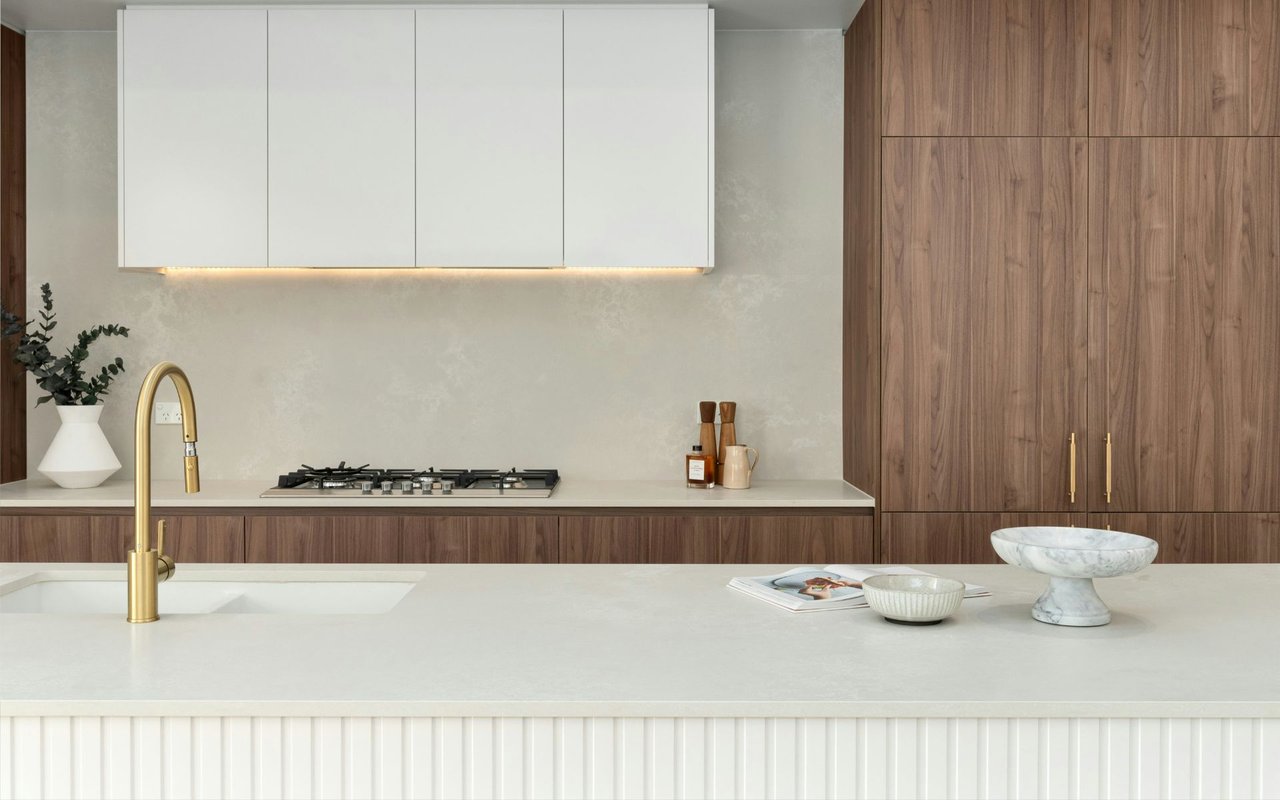
By contrast, the National Association of Home Builders says the vast majority of builders are designing new single-family homes with open floor plans. In practical terms, that often means a more contemporary layout with more connected living spaces, though the exact design still depends on the builder and lot.
If you love separate rooms, historic homes may feel comfortable right away. If you want a more open kitchen-living-dining setup, new construction may align more closely with your day-to-day lifestyle.
Which Option Fits You Best?
There is no universal winner here. The better fit depends on how you want to live, how much maintenance you want to manage, and how strongly you value original architecture.
Historic Homes May Fit Best If You Want
- Distinctive architecture and period detail
- A home with a strong sense of place
- The possibility of approved tax-credit benefits on qualifying projects
- A renovation path that preserves character
- A neighborhood known for legacy housing stock
New Construction May Fit Best If You Want
- More predictable near-term upkeep
- Better efficiency from the start
- A more modern floor plan
- New systems and materials
- Infill living without taking on a major rehab
A Smart Way to Decide
When buyers feel stuck between historic charm and new construction, it helps to narrow the question. Instead of asking which type is better, ask which tradeoffs feel easiest for you to live with.
If you light up when you walk into a brick row house with original detail, the extra maintenance and review process may feel worth it. If you want cleaner ownership, fewer immediate projects, and a simpler move-in experience, new construction may be the clearer fit.
In St. Louis City, both paths can be excellent. The key is understanding what comes with each option before you fall in love with a listing.
If you want help comparing neighborhoods, property types, and the real-world tradeoffs between older city homes and newer infill opportunities, Meggin Martin offers the calm, local guidance that can make the decision feel much simpler.
FAQs
What makes historic homes in St. Louis City different from newer homes?
- Historic homes in St. Louis City often offer original architecture, masonry facades, and period details, while newer homes usually offer more modern layouts, stronger energy-efficiency baselines, and simpler near-term upkeep.
What should buyers know about historic district rules in St. Louis City?
- St. Louis City has local historic districts where exterior changes are usually reviewed by the Cultural Resources Office, and larger projects may require Preservation Board review.
What are the benefits of new construction in St. Louis City?
- New construction in St. Louis City often offers newer systems, lower near-term project load, and more contemporary floor plans, while still being located in established city neighborhoods through infill and redevelopment.
Are historic homes in St. Louis City always less energy-efficient?
- No. Historic homes are not automatically inefficient, but energy upgrades are usually project-specific and should be planned carefully to preserve the home’s character and avoid issues like moisture problems.
What safety issue should buyers consider with older St. Louis City homes?
- Homes built before 1978 are more likely to have lead-based paint, so deteriorating paint and renovation planning should be handled carefully during ownership or updates.