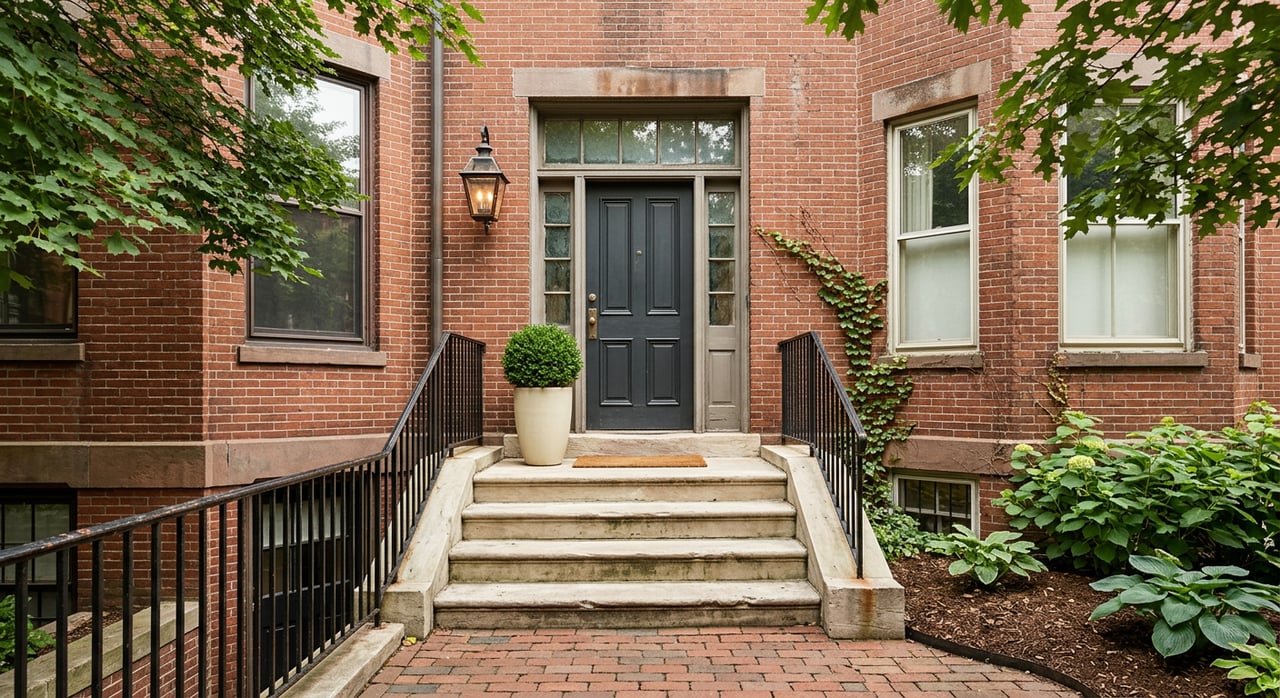
Do you love tall ceilings, ornate cornices, and brick that tells a story? If you are eyeing Lafayette Square or another historic pocket of St. Louis City, you are not alone. Buying a character home is rewarding, but it comes with rules, inspections, and budgeting choices that differ from newer construction. This guide walks you through what to check first, how local historic reviews work, and the steps that help you buy with confidence. Let’s dive in.
Why historic districts matter in St. Louis
If the home sits in a locally designated historic district, exterior work is reviewed by the City’s Cultural Resources Office (CRO). Many exterior changes require a Certificate of Appropriateness. That review protects the neighborhood’s look and guides appropriate repairs and materials. You can review the CRO’s role and district maps on the city’s preservation pages at the Cultural Resources Office.
Designations are not one-size-fits-all. Some areas are Certified Local Historic Districts, and others are listed on the National Register. Rules and processes vary by designation, so confirm where a property falls using the city’s list of Certified Local Historic Districts. If you plan exterior changes, contact CRO early. For small projects, their in-person Hotspot desk can help coordinate permits and quick approvals. Learn more about the CRO Hotspot.
What you will see in Lafayette Square homes
Much of Lafayette Square was built after the Civil War through the 1890s. You will notice Second Empire details like mansard roofs, Italianate brackets and bay windows, and handsome stone or brick façades. Interiors often feature tall ceilings, plaster walls, and decorative woodwork.
Many homes sit on compact urban lots with alley or on-street parking. Masonry walls, chimneys, and wood porches are common. Over the decades, some buildings were adapted to multi-unit or mixed use, so electrical and plumbing systems may have been modified. Because the district’s defining features are so visible, exterior changes on front façades, rooflines, windows, and porches draw the most review attention.
The big 7 systems to check before you buy
Older St. Louis homes share a handful of age-related needs. Plan to evaluate these items during your inspection window and get contractor estimates for any major repairs.
1) Masonry, mortar, and foundations
Historic brick and stone often show failing mortar, hairline cracking, or spalling where moisture and hard, incompatible mortar accelerated damage. Proper repointing uses a compatible, softer mix that lets historic brick breathe. Budget to repair sections with a preservation-aware mason, and ask for a written materials specification that follows National Park Service preservation guidance. Avoid modern hard mortars on soft historic brick.
2) Porches, wood trim, and exterior carpentry
Original wood porches, columns, and cornices may have rot or insect damage. Because porches are character-defining, repair is often preferred over wholesale replacement. A preservation carpenter can help match profiles and improve long-term durability while maintaining the look. The NPS offers practical briefs on best practices for repairing historic wood features within its preservation resources.
3) Roofs and chimneys
Older roofs may be near end of life. Flashings, valleys, and chimney stacks are frequent leak points. Plan for a roofing evaluation and a dedicated chimney inspection. If the fireplace will be used, buyers and sellers commonly request a chimney inspection and cleaning, and sometimes an NFPA Level II inspection at transfer. A standard home inspection has limits, so review what is included under the InterNACHI Standards of Practice and add specialists as needed.
4) Electrical systems
Legacy wiring types and undersized service panels can be safety and insurance concerns. If your general inspection flags knob-and-tube, cloth-insulated wiring, or old fuse panels, have a licensed electrician perform a full evaluation. Get a written estimate for any needed rewiring or service upgrades so you can budget accurately.
5) Plumbing and sewer laterals
Older galvanized or cast-iron lines may be corroded or partially blocked. Underground private sewer laterals can crack or be invaded by roots. In our area, the private lateral is typically the homeowner’s responsibility, so a video sewer scope from the foundation to the public main is a smart standard. The Metropolitan St. Louis Sewer District provides homeowner guidance on laterals and backups at MSD Project Clear.
6) Lead paint, asbestos, and radon
- Lead paint: Homes built before 1978 fall under federal lead disclosure rules. Sellers must disclose known information and provide the EPA/HUD pamphlet. If you plan renovations that will disturb painted surfaces, test for lead or assume it is present and use lead-safe work practices. See the EPA’s lead disclosure rule overview.
- Radon: Missouri health authorities recommend testing every home. Short-term tests are common during due diligence, and mitigation is straightforward if levels are elevated. Learn more or request a kit (when available) through the state’s radon program.
- Asbestos: Boiler insulation, certain floor mastics, or textured ceilings may contain asbestos. Standard home inspections do not test for asbestos or lead. Only test when you expect to disturb materials.
7) Termites and other wood-destroying organisms
Older porches, trim, and sill plates can be vulnerable. A WDO inspection is a low-cost add-on that can save you from surprises. Confirm what your general inspector covers and add a dedicated WDO inspection if it is not included. The InterNACHI Standards of Practice outline the scope of a standard home inspection.
Your due diligence checklist
During your inspection window, schedule these items and attend when you can. Ask for detailed, photo-rich reports and written estimates for any big-ticket repairs.
- General home inspection by a licensed inspector. Review what is included under the InterNACHI Standards of Practice.
- Sewer scope from the house to the public main. The private lateral is typically your responsibility, so this is essential. See MSD’s homeowner guidance at MSD Project Clear.
- Chimney and fireplace inspection if present or in use. Consider an NFPA Level II inspection at transfer.
- Electrical evaluation by a licensed electrician if legacy wiring or an older service panel is present.
- WDO (termite) inspection.
- Radon test. Missouri recommends testing all homes. Learn more from the state’s radon program.
- Lead testing or a risk assessment if the home is pre-1978 and you plan renovations. Review the EPA’s lead disclosure rule.
- Asbestos testing only if materials will be disturbed during planned work.
- Structural engineer consult if your general inspector notes significant settlement or structural concerns.
Budgeting and financing tips for historic homes
Start with safety and weather-tightness. Prioritize repairs to roofs and flashings, unsafe electrical wiring, active plumbing leaks, and failing chimneys or porches. These items affect safety, habitability, and insurance. Get multiple bids from preservation-aware contractors, especially for masonry, windows, and decorative trim. The National Park Service’s preservation resources can help you understand best practices and materials.
If you plan a major rehabilitation, discuss rehab loan products with your lender early. Some buyers also explore historic tax credits, but eligibility is specific. The federal 20 percent historic rehabilitation credit generally applies to income-producing properties, not owner-occupied single-family homes. You can review federal eligibility at the NPS tax incentives program.
Missouri’s Historic Preservation Tax Credit may be available for qualifying certified rehabilitations that meet program rules. Thresholds, approvals, and documentation matter, so consult the Missouri Department of Economic Development’s HTC program and speak with a tax professional before you assume a credit will apply.
Smart questions to include with your offer
Use these prompts to get clarity and protect your budget.
- Please provide copies of any exterior Certificates of Appropriateness, building permits, and contractor receipts for the last 15 to 20 years.
- Has the private sewer lateral ever been scoped or repaired? If not, allow for a sewer scope during due diligence.
- What is the date and scope of any electrical service upgrades? Does any knob-and-tube wiring remain active?
- Have any lead, asbestos, or radon tests been completed? Please provide reports. If not, we request a radon test as a contingency.
- Are there any recent or pending Preservation Board decisions or neighborhood-level design guidelines that would affect major exterior alterations?
Permits and approvals: plan early
In a local historic district, exterior changes usually require CRO review and a building permit. Small exterior repairs may be approved quickly through the CRO Hotspot, while larger projects go through formal review for a Certificate of Appropriateness. Ask the seller for past permit records and any COAs, and contact CRO early to discuss planned work. Start here: Cultural Resources Office.
Bringing it all together
Buying a historic home in St. Louis City is about balancing character with diligence. When you understand district rules, order the right inspections, and budget for the big-ticket items, you can preserve what you love and plan smart updates. If you want a calm, process-driven partner with local insight and a vetted vendor network, reach out to Meggin Martin. Let’s connect and map your next steps.
FAQs
What is the Cultural Resources Office and how will it affect my project in a St. Louis historic district?
- The CRO reviews exterior changes in local historic districts for compatibility with neighborhood character, often issuing Certificates of Appropriateness before permits are granted; start at the city’s Cultural Resources Office pages and contact them early.
Do owner-occupied single-family homes qualify for the federal 20 percent historic tax credit?
- Generally no; the federal credit is designed for income-producing properties, so review the National Park Service eligibility guidance and consult a tax professional for your specific plan.
Should I always order a sewer lateral scope on an older St. Louis home?
- Yes; the private lateral is typically the homeowner’s responsibility and can be costly to repair, so a video scope from the foundation to the public main is a smart standard step.
What does a standard home inspection include, and what does it not cover?
- A general inspection documents visible defects but excludes specialty environmental testing and invasive checks; review the InterNACHI Standards of Practice and add radon, sewer scope, chimney, WDO, and other specialists as needed.
How do I handle radon testing in Missouri when buying a home?
- Include a radon test during due diligence; the state recommends testing all homes and provides guidance and short-term kits when available, plus information on mitigation if levels are elevated.
What should I know about lead paint in pre-1978 homes?
- Sellers must provide federal lead disclosures and the EPA/HUD pamphlet; if you plan renovations, test or assume lead is present and plan for lead-safe work practices by certified renovators.